


Blogs
Nike Air Max 1 vs Air Max 90 – Key Differences Explained
Nike’s Air Max line is legendary in the sneaker scene, praised for its unique design and groundbreaking technology. Two of the most iconic models in this series are the Nike Air Max 1 and the Nike Air Max 90. Whether among collectors, athletes, or everyday sneaker fans-these models are in high demand. They are two completely different sneakers, yet many people aren’t sure how to tell them apart. Let’s break it down.
The birth of the Nike Air Max 1
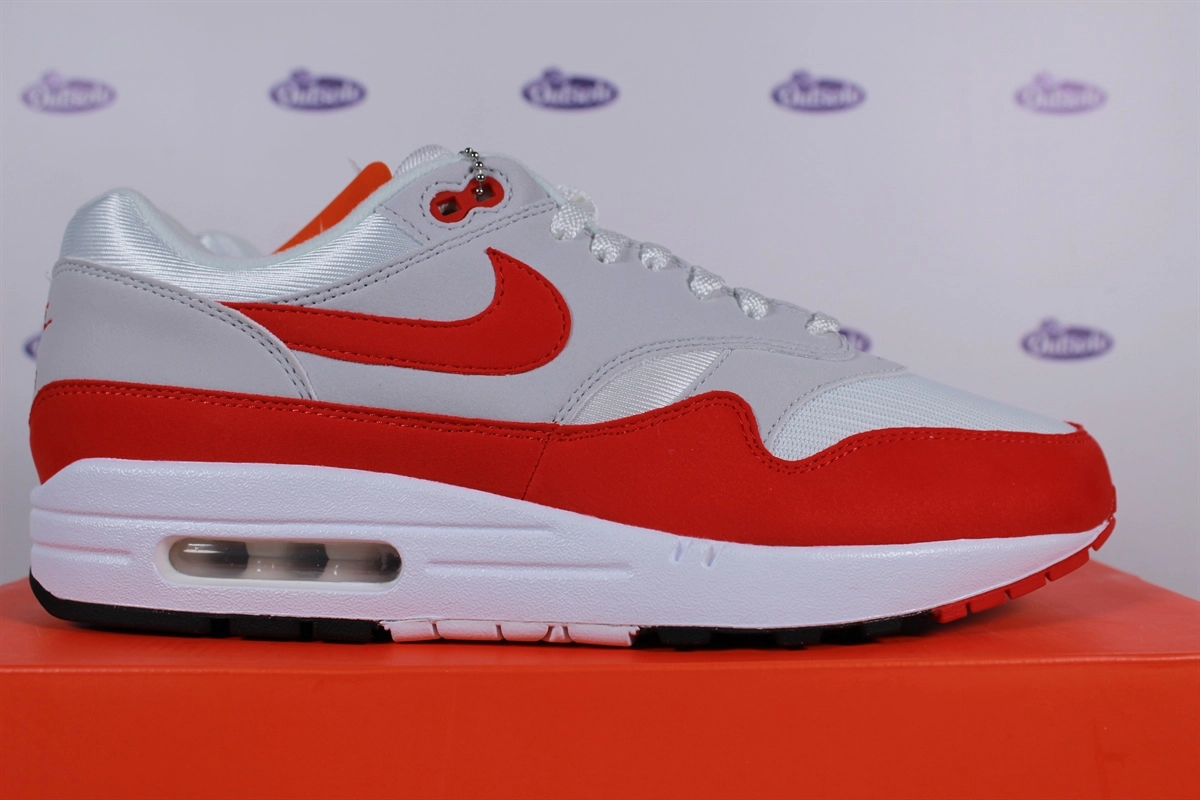
Designed by Tinker Hatfield, the Nike Air Max 1 was released in 1987. It was groundbreaking due to the first visible Air unit in the heel. Hatfield was inspired by the Centre Pompidou in Paris-a building that shows its inner structure. He translated that into the Air Max 1 by making the Air unit visible-a bold move at the time. The Air Max 1 is also known as the Air Max 87.
The evolution into the Nike Air Max 90
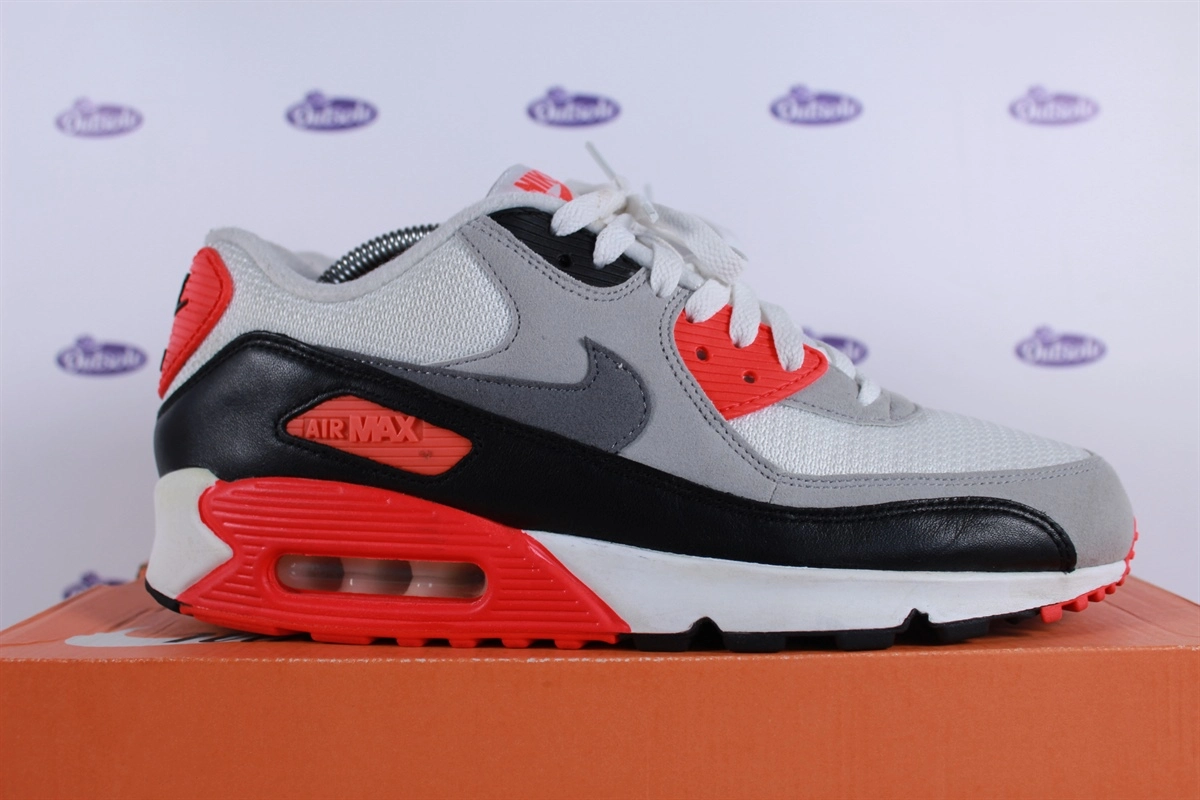
In 1990, Nike launched the Air Max 90, also known as the Air Max 3. The in-between model, Air Max Light (1989), was released as the Air Max 2-also by Tinker Hatfield. While retaining the visible Air unit, the Air Max 90 had a bolder and sportier look. It features a larger Air unit and sturdier heel padding compared to the Air Max 1, offering more comfort and improved cushioning.
Technical differences
Air unit / Bubble
The Air unit on the Air Max 1 is small and subtly visible, matching its minimalist design. It offers basic cushioning-revolutionary at launch, but modest compared to later models.
The Air Max 90 features a larger and more visible Air unit. Its bubble is bigger, with an extended window showcasing the tech. This delivers more cushioning and a softer ride, with better support and comfort.
While both models highlight Air technology, the Air Max 90 takes a bolder approach. The Air Max 1 stays true to its original, understated style.
Materials and construction
Both models use premium materials, but differ in construction. The Air Max 1 blends mesh with synthetic suede or leather. It feels lightweight and breathable. The Air Max 90 uses tougher materials, more layers, and TPU panels for added durability and a chunkier look.
Visual design differences
The Air Max 1 has a clean, low-cut silhouette with classic lines. The Air Max 90 features a rugged shape and a higher ankle collar. It looks slightly wider and more aggressive. The refined shape of the Air Max 1 makes it a versatile, low-key option.
Sneaker collecting: limited editions & collabs
Both the Air Max 1 and Air Max 90 have seen many limited editions and collabs. These often feature unique colorways and rare materials. The Air Max 1 arguably dominates the collector scene, with standout releases and higher resale values. Still, the Air Max 90 is not to be overlooked, with iconic collabs from designers like Virgil Abloh and brands like Off-White.

Cultural impact
The impact of the Air Max 1
The Air Max 1 had a major impact on sneaker culture. The visible Air bubble was a game changer. The silhouette became iconic and remains a favorite. Retro releases and collabs keep it relevant.
The popularity of the Air Max 90
The Air Max 90 gained popularity in both sports and fashion. Its larger Air unit and bold design made it a favorite among athletes. Its versatility and streetwear status turned it into a cultural icon.
Conclusion
Both the Nike Air Max 1 and Air Max 90 are legendary sneakers with clear identities. Whether you choose the clean OG style of the Air Max 1 or the bold cushioning of the 90-both are solid picks for sneaker lovers.
 Air Max 1
 Sneakers
 Laces
Laces Sneaker Care
 Collectibles
 OUTLET